
Training the Mind Series™ Hosts Event Ahead of MLS' Houston Dynamo Game on April 22, 2026
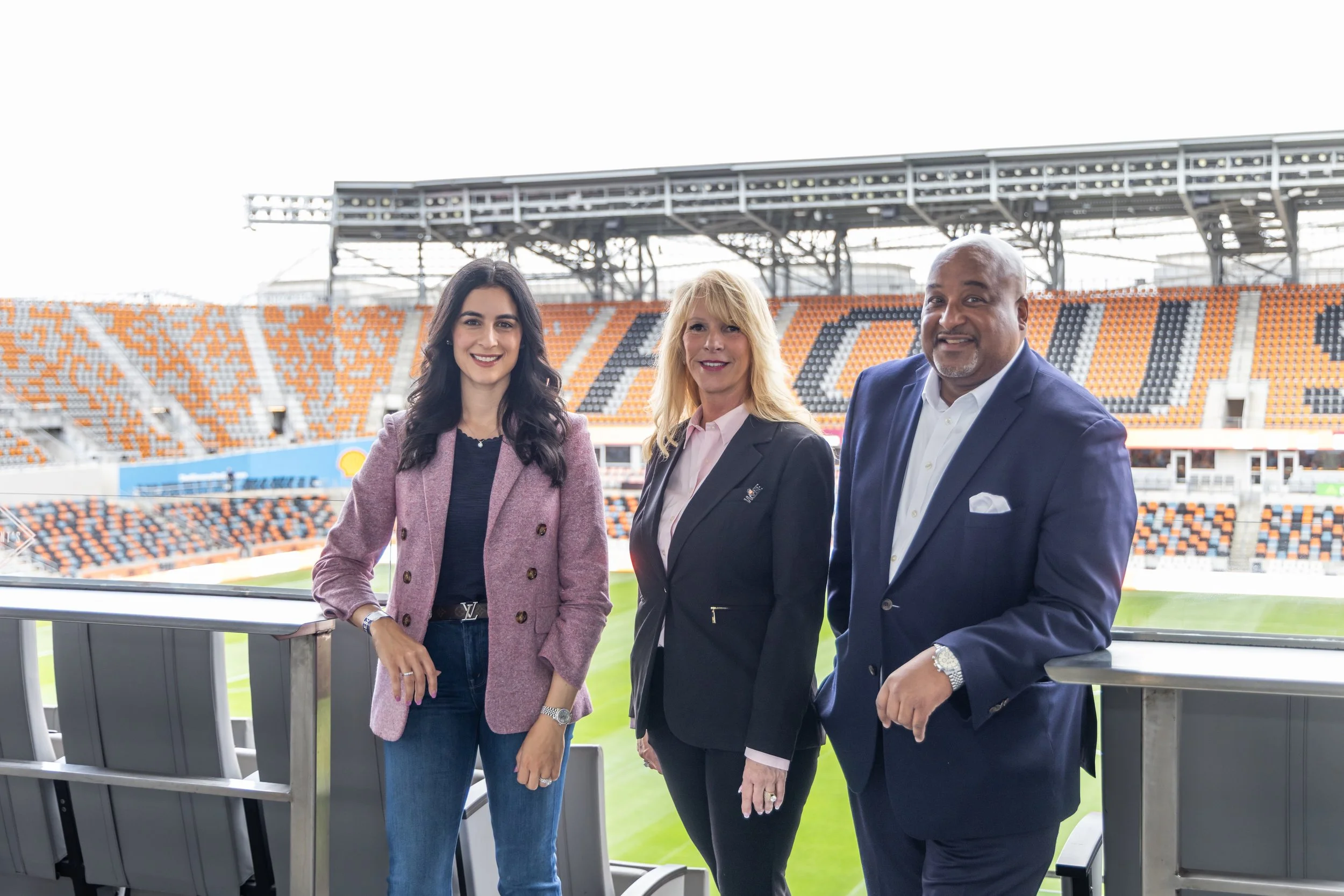
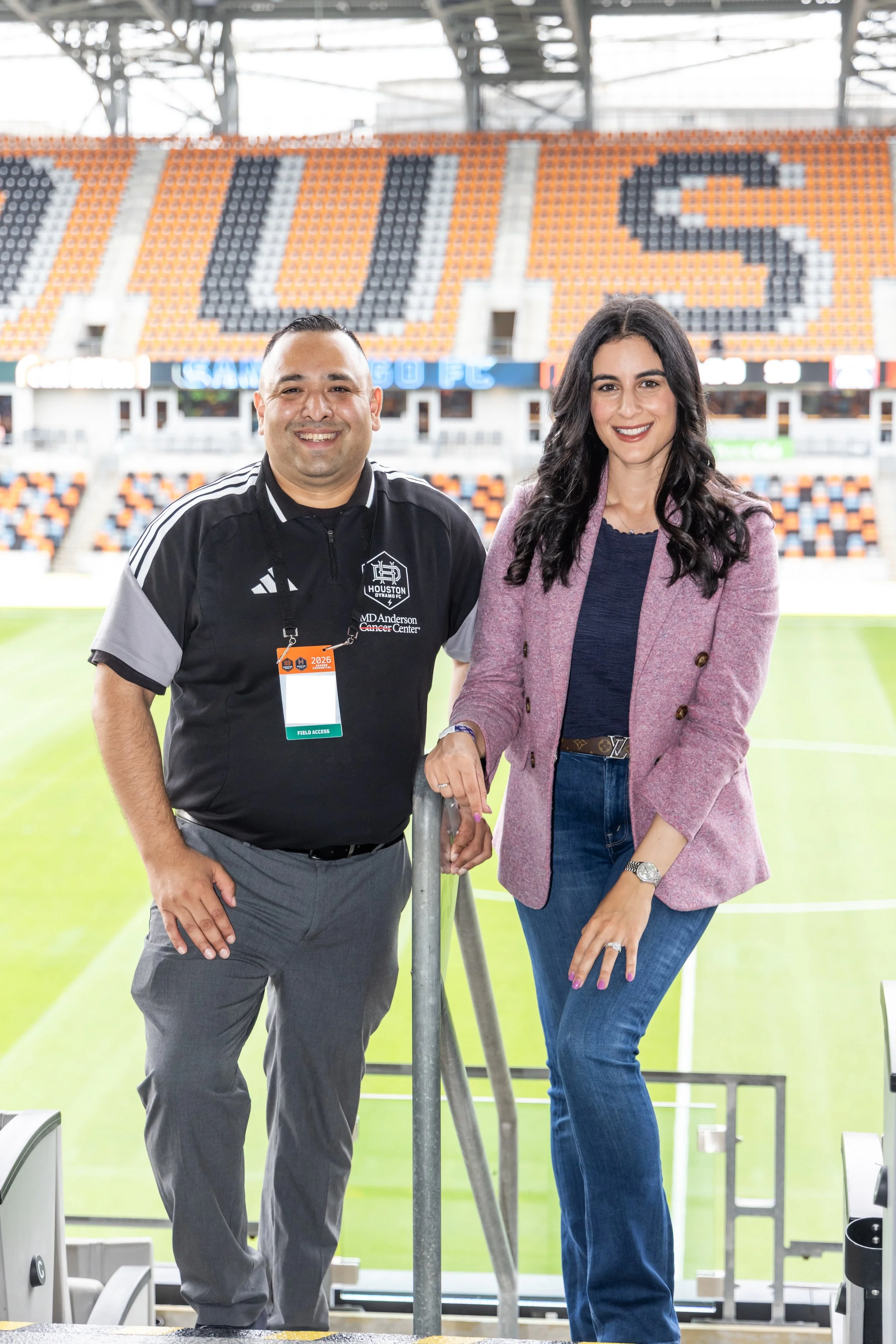
On April 22, the Training the Mind Series™ continued its national expansion with the MLS’ Houston Dynamo at Shell Energy Stadium, supporting a national effort focused on community impact, public awareness, and education around mental health and performance.
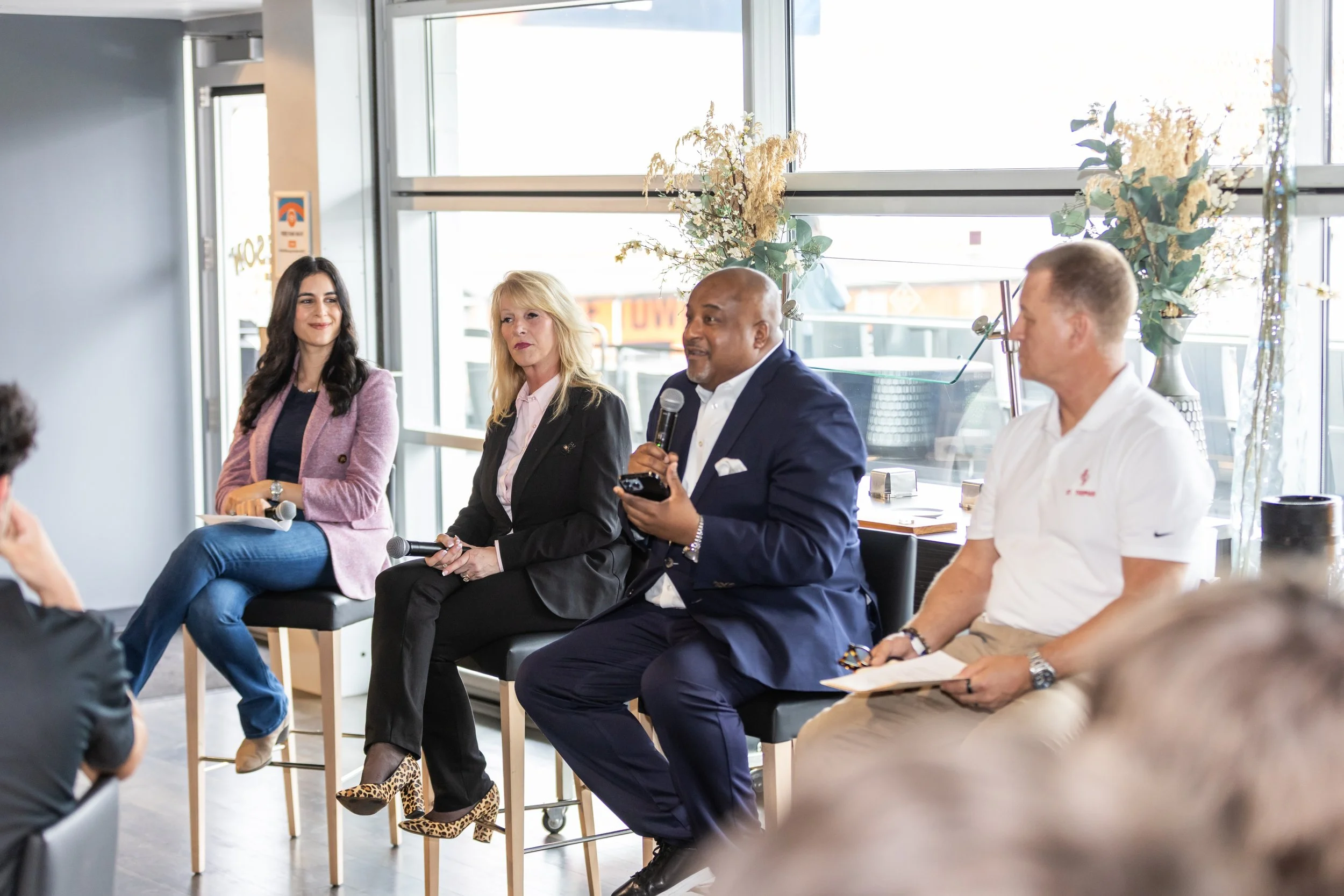
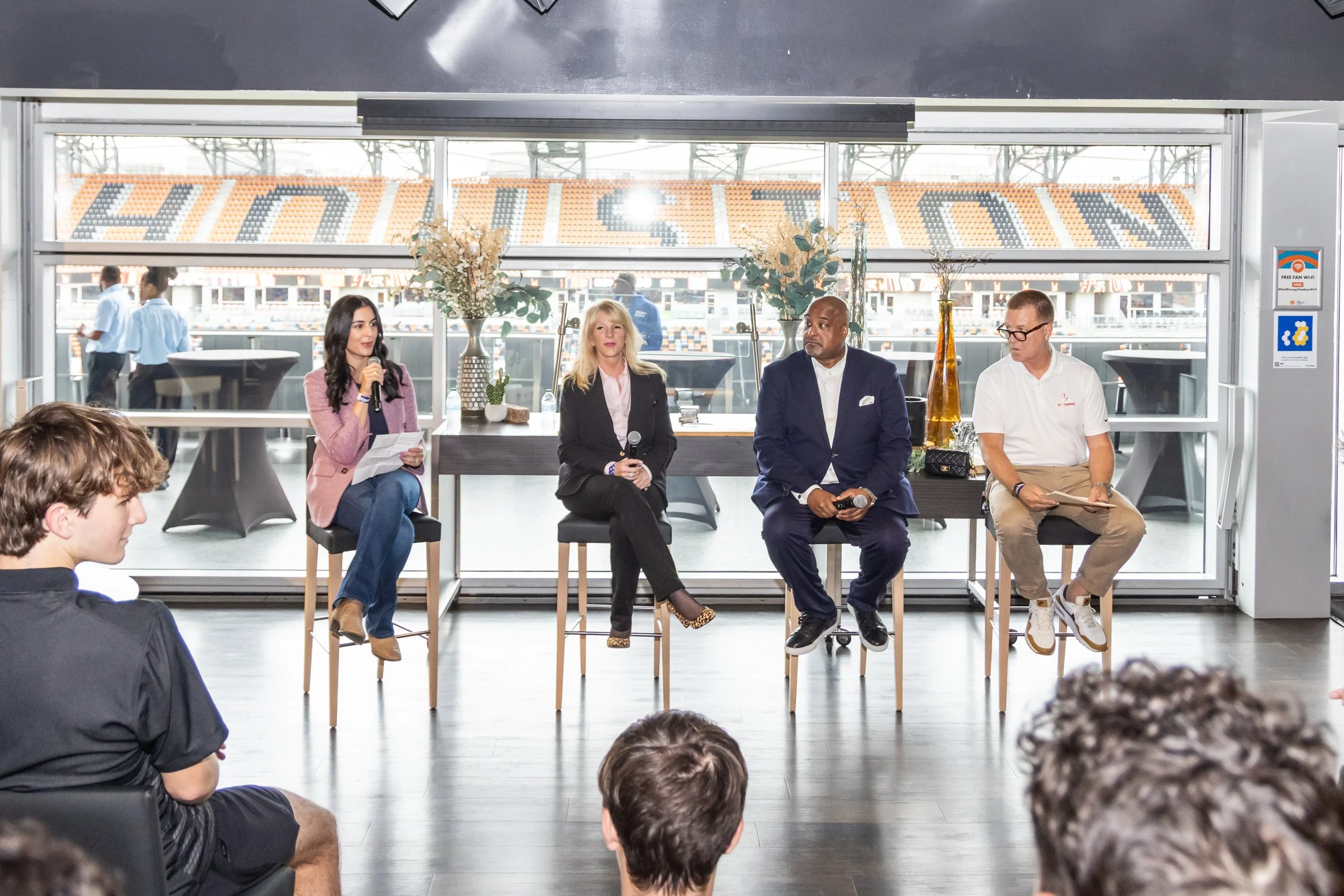
The afternoon began inside the Jameson Club with a private panel discussion for high school boys’ soccer players. The conversation centered on the realities of competing under pressure: exploring identity, emotional regulation, and what it takes to sustain performance over time. Rather than approaching mental health as a separate or reactive topic, the discussion framed it as an essential component of long-term development in sport.
These moments are intentional. Creating space for young athletes to engage in honest, grounded dialogue, within the same environments they aspire to compete in, helps shift how mental health is perceived. It becomes less abstract and more relevant to their daily experience.
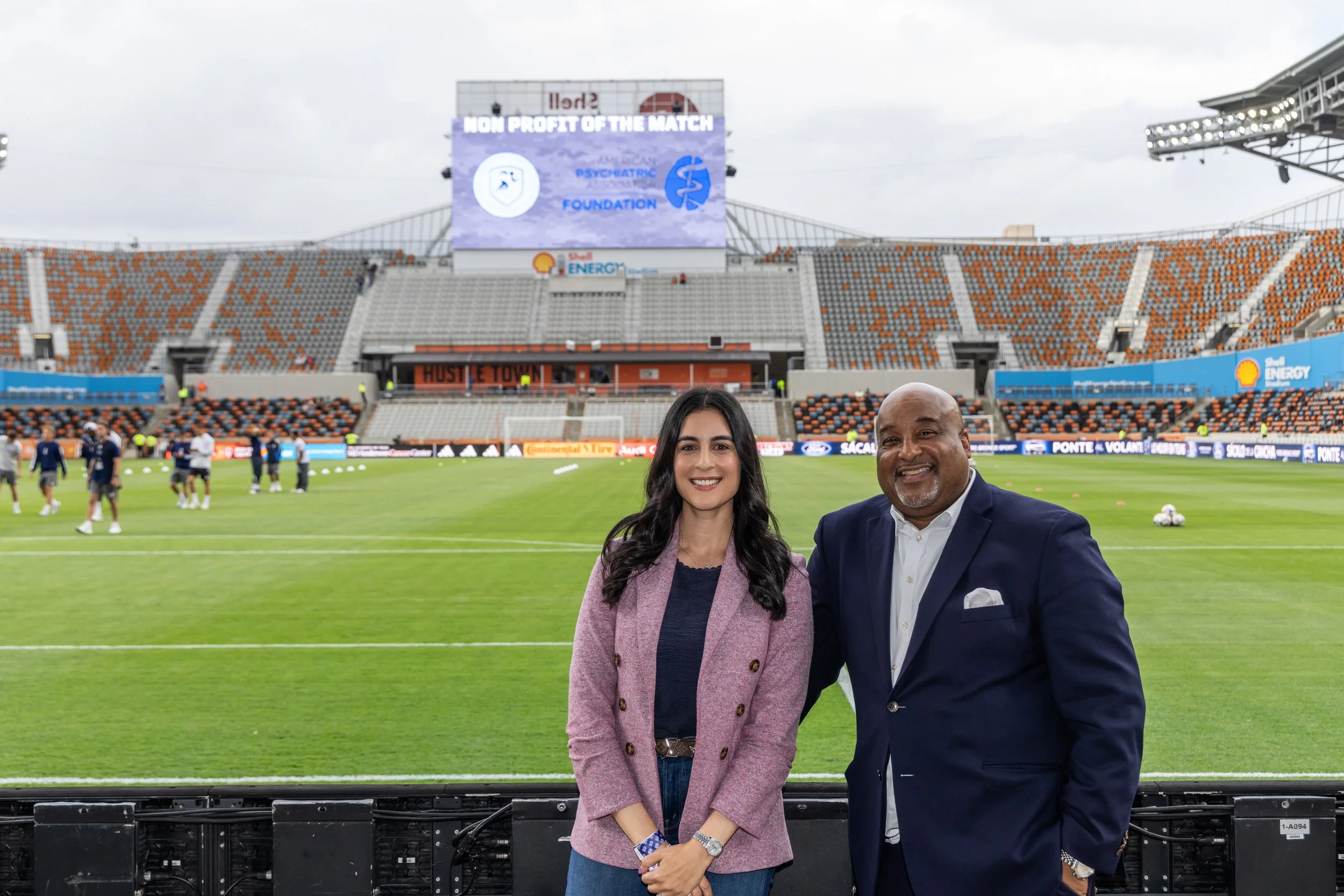
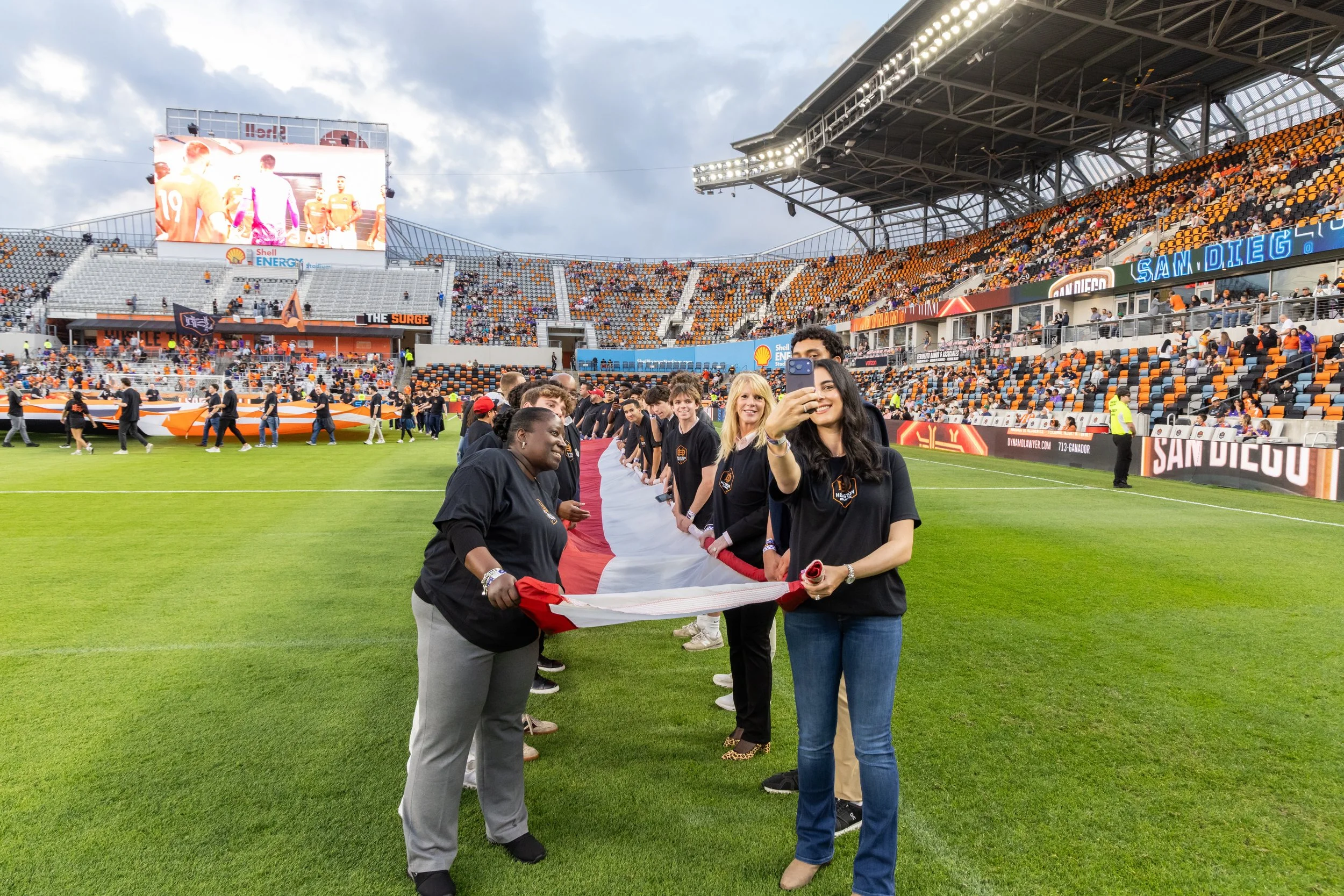
As part of this unique afternoon, the American Board of Sports & Performance Psychiatry and the American Psychiatric Association Foundation were recognized as Nonprofits of the Game. The evening also included a memorable on-field experience, where the student-athletes participated in holding the American flag prior to kickoff, an opportunity that connected the earlier discussion to the larger stage of professional sport.
The Training the Mind Series™ is designed to operate within these environments: not as a clinical intervention, but as a platform for public awareness, education, and cultural shift. By bringing these conversations directly into professional sports settings, the series continues to expand how mental health and performance are understood across leagues and communities.
Houston represents an important and growing market for this work. With continued expansion, activating across different sporting leagues, the goal is to build sustainable, recurring opportunities to educate that reach athletes at multiple stages of development.
The conversation around mental health in sport is evolving. The next step is ensuring it is visible, accessible, and grounded in the environments where performance actually happens.